CS2 Rush Hour Update: Everything You Need to Know
Valve just dropped one of the most interesting Counter-Strike 2 updates of 2026.
The new Rush Hour update introduces Rush, a fast-paced 3v3 game mode, completely changes how maps are selected in CS2 Premier, and adds new gameplay mechanics that could matter in clutch situations — including silent reloads and silent sniper unscoping.
There are also crosshair changes, quality-of-life improvements and several smaller gameplay tweaks. Valve has already followed the update with additional fixes, so Rush Hour is evolving quickly.
Here’s everything that actually matters.
What Is Rush in CS2?
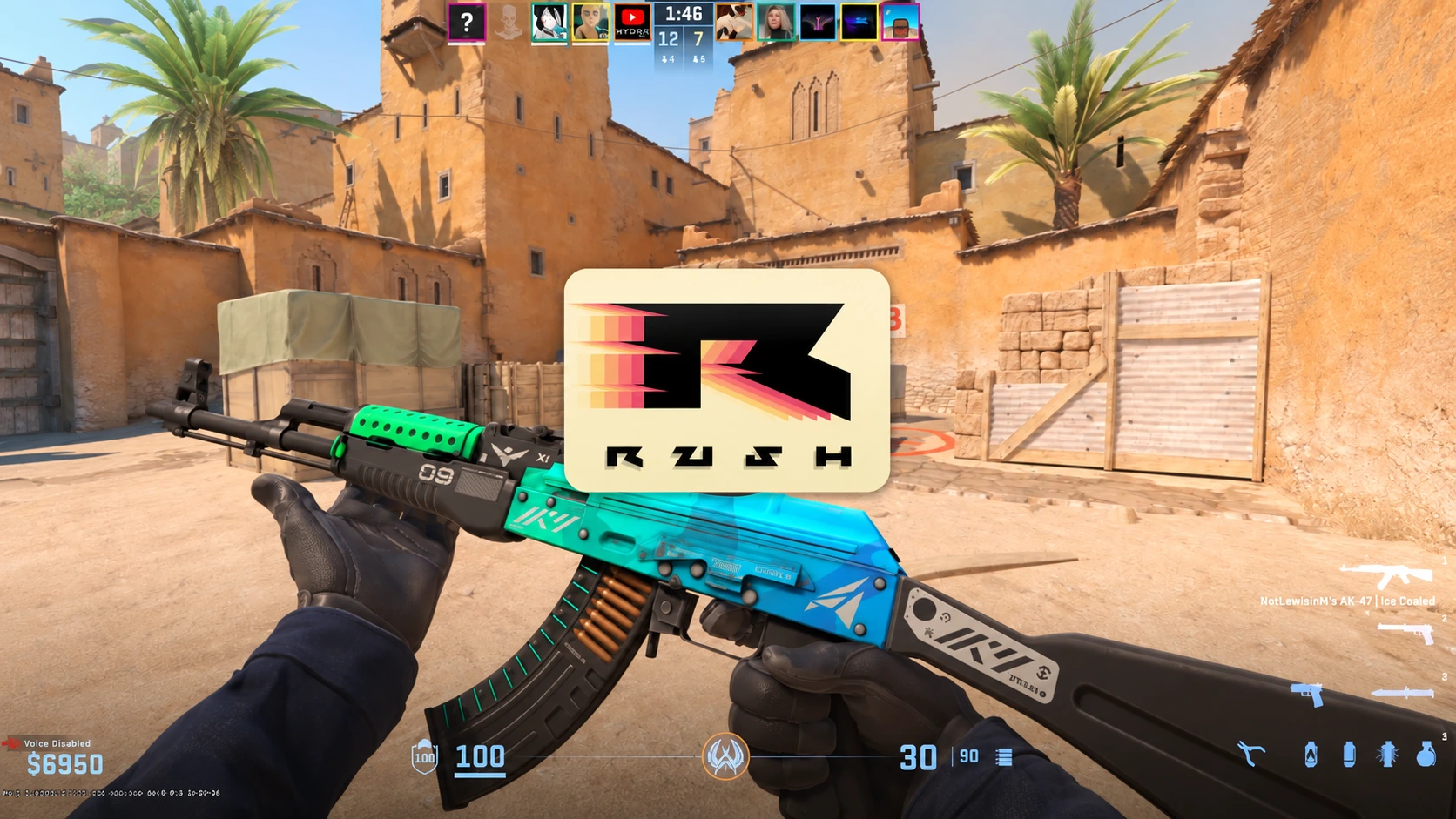
The headline feature of the update is Rush, a new queued 3v3 mode built around fast fights and constant pressure.
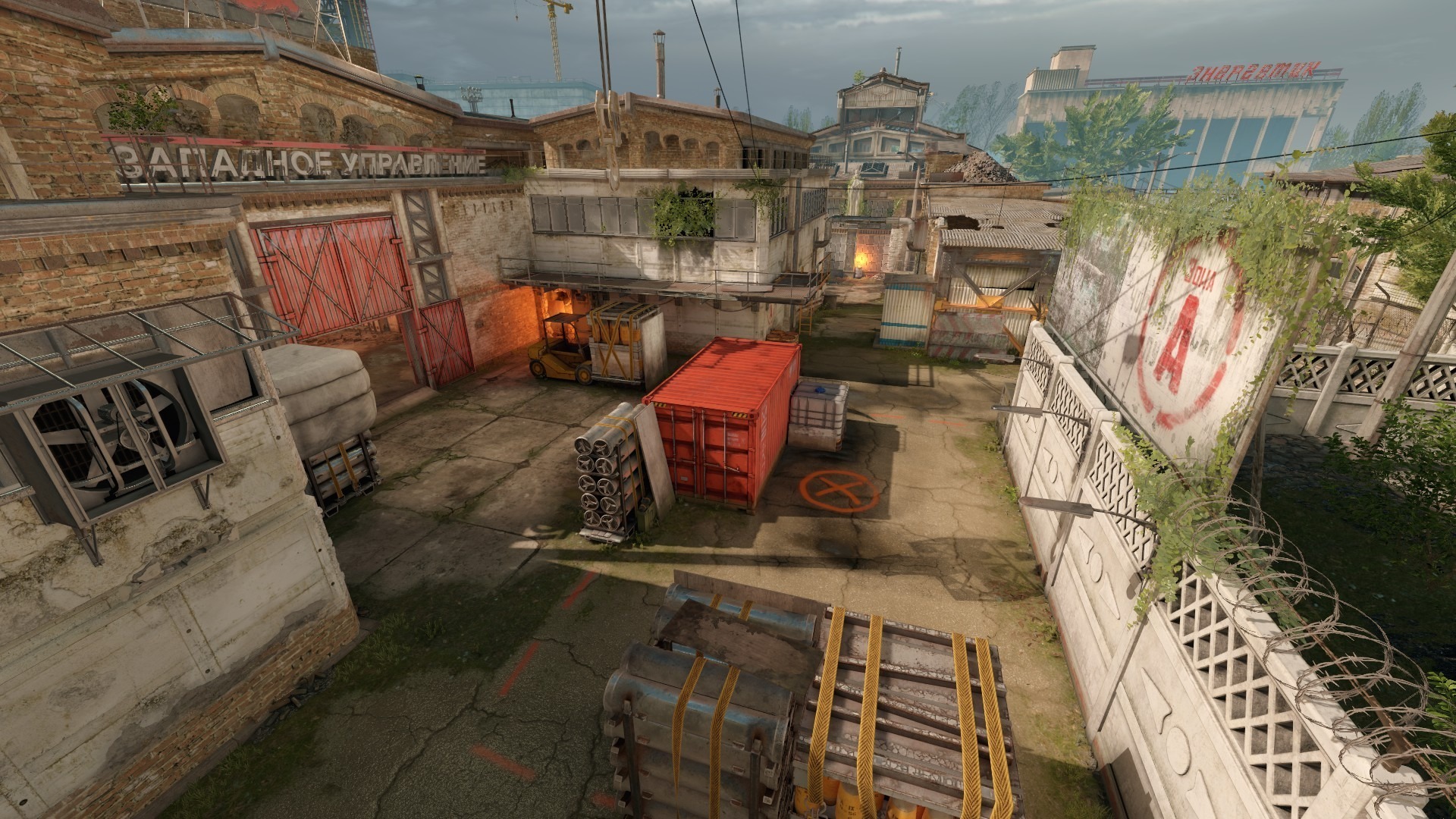
Instead of playing full traditional Counter-Strike rounds, both teams fight across a sequence of smaller battle arenas while trying to push toward the enemy castle.
The basic idea is simple:
Two teams of three players compete against each other.
Arenas are selected throughout the match.
Teams fight for control of the tower.
Winning pushes your team closer to the enemy castle.
Reach the opponent’s castle first to win.
The result is a much faster experience than a normal Competitive or Premier match.
Rush puts more emphasis on quick engagements, positioning, mechanical skill and adapting to unfamiliar situations.
For players who want constant gunfights without committing to a full Premier game, it could also become an interesting way to warm up or sharpen mechanics before ranked.
CS2 Premier Map Selection Has Completely Changed
For competitive players, this may actually be the biggest change in Rush Hour.
Valve has reworked the Premier map selection system.
Instead of banning maps until only one remains, teams now build a pool of four possible maps.
The process works like this:
The first team selects one map.
The second team selects two maps.
The first team selects another map.
One of those four maps is randomly chosen.
That creates a very different dynamic.
Previous Premier System | New Premier System |
|---|
Teams ban maps | Teams select possible maps |
Veto continues until one map remains | Four maps enter the final pool |
Players can more directly avoid weak maps | One map is randomly selected |
Smaller comfort pools are easier to rely on | Wider map knowledge becomes more valuable |
For anyone grinding CS2 Premier rating, this could matter a lot.
Players who mainly rely on one or two comfort maps may now find themselves playing a wider portion of the Active Duty pool more often.
That makes overall map knowledge — rotations, utility, positioning, timings and common angles — even more useful when trying to consistently rank up in CS2.
Silent Reload Adds a New Risk vs. Reward Decision
One of the most interesting gameplay additions in Rush Hour is silent reload.
Normally, reloading your weapon produces an audio cue that nearby enemies can hear.
That information matters.
Hearing an opponent reload can give you the perfect opportunity to swing, take space or force a duel while they cannot immediately shoot back.
Now there is another option.
By holding the reload button, players can perform a silent reload.
The trade-off is straightforward:
Normal reload: faster, but audible.
Silent reload: slower, but hidden from your opponent.
In Counter-Strike, information is everything. Removing the sound of a reload gives players another way to control the information they reveal.
Potential uses include:
1v1 clutch situations
Lurking behind enemy lines
Holding unexpected positions
Preventing opponents from timing a push
Late-round situations where every sound matters
Reloading without immediately revealing your position
The mechanic probably will not replace normal reloading — and it is far too early to call it part of a new meta.
But it creates another small decision players need to make during important rounds:
Do you want the faster reload, or do you want to stay hidden?
That is exactly the kind of risk-versus-reward mechanic that fits Counter-Strike.
AWPers Can Now Unscope Silently
Sniper players received another stealth-focused change.
After Rush Hour, unscoping with sniper rifles no longer produces the same audio cue for nearby opponents.
For AWP players, this can be more important than it sounds.
Sound can reveal when an AWPer is adjusting, repositioning or preparing to move away from an angle.
Removing that information may help in situations such as:
Holding defensive angles
Repositioning after contact
Clutch situations
Hiding your exact location
Avoiding unnecessary information leaks
It is a relatively small mechanical change, but Counter-Strike rounds are often decided by tiny pieces of information.
Giving away one less sound can matter.
CS2 Crosshairs Were Updated Too
Rush Hour also introduces changes to the way CS2 crosshairs are rendered.
Crosshair dimensions now use a more pixel-based system designed to improve consistency across different resolutions.
This is particularly relevant in Counter-Strike, where players use everything from standard 16:9 setups to stretched 4:3 resolutions and highly customized competitive settings.
Valve has already made follow-up adjustments to the new crosshair system after the main Rush Hour release.
Players who are extremely particular about their crosshair may therefore want to double-check their setup after the update.
Other Rush Hour Changes Worth Knowing
Rush Hour includes plenty of smaller adjustments beyond the headline features.
Some of the notable additions and quality-of-life changes include:
Improved visibility for bullet impacts
Clan tags returning
Changes related to grenade purchasing
Various map fixes and visual improvements
Additional gameplay fixes
Interface and crosshair adjustments
And yes, chickens can now take damage from the Zeus x27.
Peak Counter-Strike.
Most of these changes will not completely transform how CS2 is played, but together they make Rush Hour a noticeably larger update than the new 3v3 mode alone suggests.
Valve Is Already Updating Rush Hour
Valve did not stop with the initial release.
Follow-up updates arrived almost immediately after Rush Hour launched.
Rush Mode Adjustments
Valve has already tweaked several aspects of the new mode, including round timings, warmup periods, freeze time and technical timeout behavior.
Rush arenas also received fixes for clipping and geometry issues.
That is not surprising for a completely new mode, and further adjustments are likely as more players spend time with it.
Silent Reload Fixes
Silent reload also received important fixes.
One interaction allowed players to perform the mechanic slightly faster by tapping reload before holding the button.
Another issue could allow certain shotguns to benefit from silent reload in a way that increased their effective firing speed.
Valve quickly patched those behaviors.
It is a good reminder that Rush Hour introduced real gameplay mechanics rather than purely cosmetic or interface changes — and Valve is already refining how those mechanics work.
What Does Rush Hour Mean for CS2 Premier?
Rush itself may be the headline, but competitive players should probably pay more attention to the changes happening around Premier and core gameplay.
Three things stand out.
A Wider Map Pool Matters More
The new Premier selection system makes it harder to rely exclusively on a tiny group of comfort maps.
Players who understand more of the map pool should be better prepared for whatever gets selected.
That means learning more than just aim spots.
Utility lineups, rotations, CT setups, T-side defaults and common timings can all become increasingly valuable when climbing Premier.
Sound Management Has Another Layer
Counter-Strike has always been heavily dependent on sound.
Footsteps, grenade pins, scoped weapons, reloads and movement can all provide important information.
Silent reload and silent sniper unscoping remove two of those audio cues.
They will not rewrite the game overnight, but they create additional options during moments where hiding information can make the difference between winning and losing a round.
Mechanical Consistency Still Wins Games
Rush itself is built around frequent fights.
That means aim, movement, positioning and fast decision-making are constantly being tested.
For players trying to improve their mechanics before heading into Premier or Competitive, the mode may become another useful option alongside Deathmatch and other warm-up routines.
Looking to Climb in CS2?
With Premier map selection changing and competitive CS2 continuing to evolve, being comfortable across multiple maps and situations is becoming even more important.
Whether you're grinding your CS2 Premier rating, working on your mechanics or trying to reach a higher rank, Overpowered.gg offers professional services built for competitive players.
Explore CS2 boosting, Premier rank services, ranked wins, placements, FACEIT boosting and CS2 coaching with experienced players ready to help you reach your next goal.
Rush Hour Is Bigger Than It Looks
Rush may be the feature that gives the update its name, but some of the most important changes could end up happening inside regular competitive CS2.
A completely different Premier map selection system encourages broader map knowledge.
Silent reload adds another information-management decision.
Silent sniper unscoping removes another audio cue experienced players can use against their opponents.
And Rush gives players an entirely new 3v3 environment focused on quick fights and mechanical execution.
Valve is already adjusting the update through follow-up patches, so Rush Hour may continue to evolve.
For now, one thing is clear:
CS2 just gave players a lot more to learn.

 Actualizado el: 25.09.2026•Por:
 ptk917